The Importance of Earthquake Preparedness
Earthquake Training Course
If recent history has proven anything, it's that a natural disaster can happen at any time. One simply has to turn on the television or read a newspaper to hear about the latest disaster. Each time there is a major disaster, lives are lost. Preparation can cut down on the loss of lives, which is why you should have a plan in place in case there is an earthquake. You can come up with a plan easily if you go through earthquake preparation training. The training will teach you everything you need to know to be prepared in the event of a disaster.
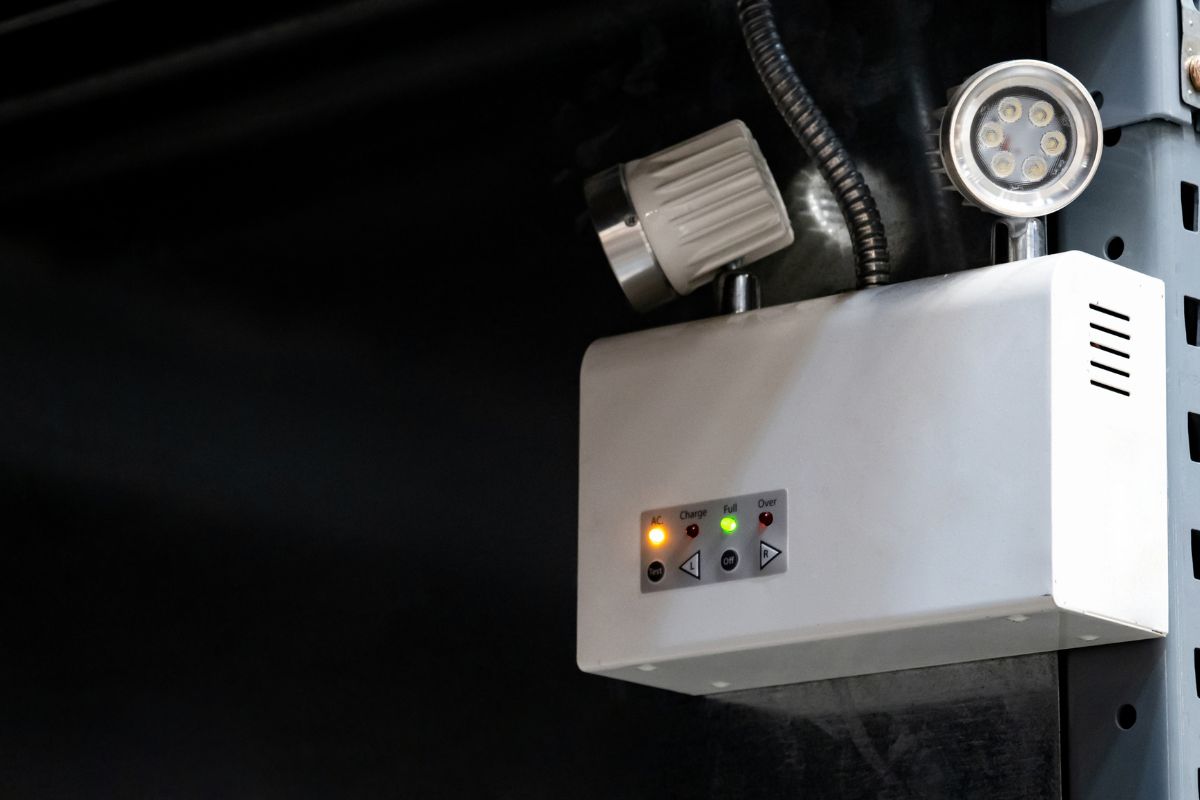
If an earthquake hits, you could lose power. If that happens, any food in your refrigerator and freezer will spoil quickly. Your water source could also become contaminated so you won't be able to drink water from the tap. A good training course will go over the backup supplies you should have. This will ensure that you remain fed and hydrated, even if you have to go days without water or power.
Survival
When an earthquake strikes, will you know where to take cover? If you do not properly secure your home or office after the earthquake, you could get hurt by falling items. A good training course will go over all of this so you will know exactly what to do.
Basic First Aid
People get hurt during earthquakes. From cuts and scrapes to broken bones, anything can happen. A good training course will teach you how to administer first aid so you will be able to keep all members of your group healthy and mobile.
This is just some of the information you can learn in an earthquake training course. Preparation is the best way to stay safe so come up with a plan and stick to it if a major earthquake occurs.